

Bike Commuting - Even in the rain!
Anyone who’s ever biked to work knows that it’s a fun and enjoyable way to commute, and the most affordable way to get to work. But making the switch to a new mode of travel usually means figuring out the how-tos that work for you.
Anyone who’s ever biked to work knows that it’s a fun and enjoyable way to commute, and the most affordable way to get to work. But making the switch to a new mode of travel usually means figuring out the how-to’s that work for you.
When I started bike commuting, I’d pack all my work clothes in a bag and change once I got to the office. I quickly found that a full costume change in a bathroom stall multiple times a day, twisting myself into a pretzel to avoid dropping a pant leg into the toilet (this is the stuff sitcoms are made of), just wasn’t practical for me.
I adopted the mantra, “If I can wear it in life, I can wear it on a bike.” I’ve worn it all on my bike; suits, stilettos, dresses, pencil skirts, and yes, even a formal gown. Dressing for my destination makes it easier to jump off the bike, and stroll into a meeting or brunch with friends (hopefully, again soon).
It’s easy to picture myself peddling along in a skirt on a sunny spring day. But what about those heavy spring rains? It took longer to figure that out, but I was determined to find a way to bike in inclement weather and still arrive at my destination ready to go. Here is the gear that worked for me:
· Raincoat: A good raincoat makes all the difference. Must-haves for me include a breathable fabric so I don’t overheat, pit zips for extra ventilation, and a hood that can be cinched down tight.
· Rain pants: A similar breathable fabric is best. Full length zippers on each leg make it easy to get them quickly off without getting wet. Make sure they’re roomy enough to fit over your clothes.
· Glasses or goggles: These keep the rain out of your eyes. There are plenty of cycling glasses on the market, but an inexpensive pair of safety glasses from the hardware store work just as well.
· Waterproof helmet cover: It keeps the rain from sneaking in around the raincoat hood and out of your eyes. It holds in a little extra heat in cold weather. In a light rain, I don’t even put the hood up. It’s also reflective for low light cycling, like in a rainstorm.
· Waterproof shoes: Without too much searching, I found stylish boots that are also waterproof, so I don’t have to worry about soggy feet.
I recently rode to work on a chilly, stormy March morning. With this system, a quick-change transformation from rain-proof road warrior to boardroom-ready professional took less than 30 seconds, with little more effort than peeling off a jacket. My colleagues couldn’t believe I’d ridden my bike.
Happy Bike to Work Week!

Central Ohio Bike Clubs
Click the names of any of these groups to be linked to their website or Facebook pages.
The Major Taylor Cycling Club of Columbus, Ohio, is the oldest urban cycling club in the United States riding in Marshall Major Taylor's name. So named because of Major Taylor’s accomplishments in cycling and his overall character. Founded in 1978, the club exists today as a multi-racial, growing club focused on developing its members as safe, strong, and community-focused riders. All of the club founders are still actively involved in the club's growth. The attached photo illustrates two events: one, a group ride's start in 1984, the second a group ride starting in 2018. Http://majortaylorcycling.org
Black Girl’s Do Bike was founded in 2013 by Monica Godfrey in Pittsburgh, Pa. Black Girl’s do Bike is a National and International organization with over 108 chapters including the UK. Black Girl’s Do Bike is interested in growing and supporting a community of women of color who share a passion for cycling. They champion efforts to introduce the joy of cycling to all women, but especially, black women and girls. They are establishing a comfortable place where female cyclists can support, advise, organize meet-ups/rides and promote skill-sharing. BGDB shares positive images of ladies and their bikes that affirm the truth that black girls do indeed bike! They also support bike advocacy, awareness, education and safety in all communities and corners of the world. The Columbus Chapter of Black Girl’s Do Bike was founded in August of 2014 by Bertie Fields. They currently have 560+ members. In addition to riding they participate in supporting those in need in our community.
CycleNuts is an alternative cycling touring experience, where seeing and socializing take priority over speed and (ugh!) sweat. Join them on bikeway touring adventures to destinations near and far as they strive to create bikeway touring opportunities for casual cyclists and cyclists interested in casual cycling to enjoy together. CycleNuts tours explore Ohio as well as several other states. If there is a bikeway, there is an adventure waiting.
Outdoor Pursuits is a volunteer-driven, nonprofit organization devoted to providing inclusive opportunities for outdoor recreation and adventure. Our shared experiences promote the health of participants, teach responsible enjoyment of the outdoors, and strengthen community. We strive to expand equitable access to the outdoors and to foster environmental stewardship.
Outdoor Pursuits was established in 1939 as the Columbus chapter of American Youth Hostels, which operated up to 9 hostels in the 40s. Activities included bicycling, boating, hiking/backpacking, caving and rock climbing. Outdoor Pursuits disaffiliated from AYH in 1995 and changed its name to Columbus Outdoor Pursuits. Current activities include bicycling, boating and hiking/backpacking. The bicycle activities include Tour of the Scioto River Valley (TOSRV) since 1962, a 2-day 210 mile bike tour to Portsmouth, Great Ohio Bicycle Adventure (GOBA) since 1989, a week-long family-oriented tour of Ohio towns, Cross Ohio Bicycle Adventure (XOBA) since 1998, a week-long tour across the state with longer distances per day than GOBA, and several other day tours with multiple distance options up to 100 mile centuries. Outdoor Pursuits also has weekly rides with experienced ride leaders who welcome new riders and leave no one behind. Other bicycle events include urban park and historical site tours and self-contained overnight bike tours.
Pickerington Bike Club (PBC): This club was formed in 2012 when the Bicycle One Pickerington bike shop ride was discontinued, but six participants wanted to continue riding together. At their core, PBC is about community and comradery. The club is just eight years old, but over those years, the club has grown from its original six members, to well over 60 active riders. They are a blend of all levels of riders as most clubs are, but it’s the personalities in the groups that make even the most painful rides memorable. You never know you, may even be a part of a George Chatters group ride vibe. What makes PBC special is the way they have rallied together to support their members during times of need. A, B and C pace riders are welcome and there are designated rides for each group. If you are looking for a club and are on the east side, drop in and take us for a test ride.
Scioto Cycle Club: This club began in May of 2018. Rides are every Sunday morning from April 15th - October 15th. Scioto rides are divided into three ability groups. “A” group at 19+ mph, “B” group at 15 - 18 mph and a “C” group that is less then 15 mph. We ride from Northern Columbus, Dublin, Powell area and Westerville, New Albany area on alternating weeks. Mileage varies slightly, but usually about a 2.5 hour ride each week. Liability waiver and helmet required.
Steady Pedaling of Columbus was founded by Marcus Carmon in 2014. Their mission is to promote fitness, fellowship and fun. Steady Pedaling has 200+ members of diverse ages, race, culture and economic backgrounds. Rides are scheduled and consistent: Sunday, Tuesday, Thursday and Saturday unless interrupted by weather.
The Cycling Club For over 20 years a group of road cyclists from New Albany, Granville, Westerville, Bexley and other neighboring towns would launch weekend rides from New Albany. The club would host 2 or 3 organized rides a week between April and October. We deliberately avoided calling the club the “New Albany Cycling Club” because many of our best buddies live outside New Albany, and we aspire to be bigger than the city limits… we are about an attitude and an experience, that transcends location.
Trailblazers is a co-ed cycling group whose primary mission is to promote a healthy lifestyle through camaraderie and cycling safely. Trailblazers was founded in 2017 by Helen Wilks, Leslie Belle and Victor Watson Jr. The group blazes the way for all riders to develop their cycling skills and confidence. With Trailblazers, beginner riders can learn the principles of cycling etiquette and safety while veteran riders can strengthen their riding skills, log in more miles of experience and transition into other cycling groups. Whether it is your first, or you have too many miles under your saddle to mention, Trailblazers is a dynamic and supportive group of cyclists who are motivated to improve in athleticism and to keep cranking on!
Westerville Bicycle Club (WBC): The WBC is a nonprofit recreational and touring club for bicyclists of all ages and abilities. For four decades, the Westerville Bicycle Club has been the source of cycling pleasure for hundreds of bicyclists.
If you are a new rider who enjoys cycling or want to get more involved in the sport, the Westerville Bicycle Club will introduce you to group riding: the quickest, easiest, safest way to learn more about bicycling. You will benefit from the diverse riding styles and social interaction of some of Central Ohio’s most experienced riders. You’ll not only have the opportunity to participate in a wide variety of rides but also learn more about maintenance/repair, accessory selection, and safe riding techniques.
If you are already an experienced rider, the WBC offers you new challenges. We have a very active ride schedule that includes weekend rides throughout the year, Wednesday evening rides from April through September, Monday morning rides between 50 and 60 miles. Most of our rides have distance options so they appeal to all skill levels; and are routed using quiet, back roads away from heavy traffic. Many members enjoy group trips to out-of-town/state organized rides. The WBC sponsors its own organized century tour, the Dry Run Tour each September. This is a fun, volunteer supported effort that involves many club members. Also throughout the entire year, the WBC Social Committee is busy putting together events to bring the members together off the bicycle which in the past have included: dinners, pizza parties, backyard cook-outs, picnics, winter hikes, cross country ski, and an annual Winter Banquet.
Columbus Area Bike Shops
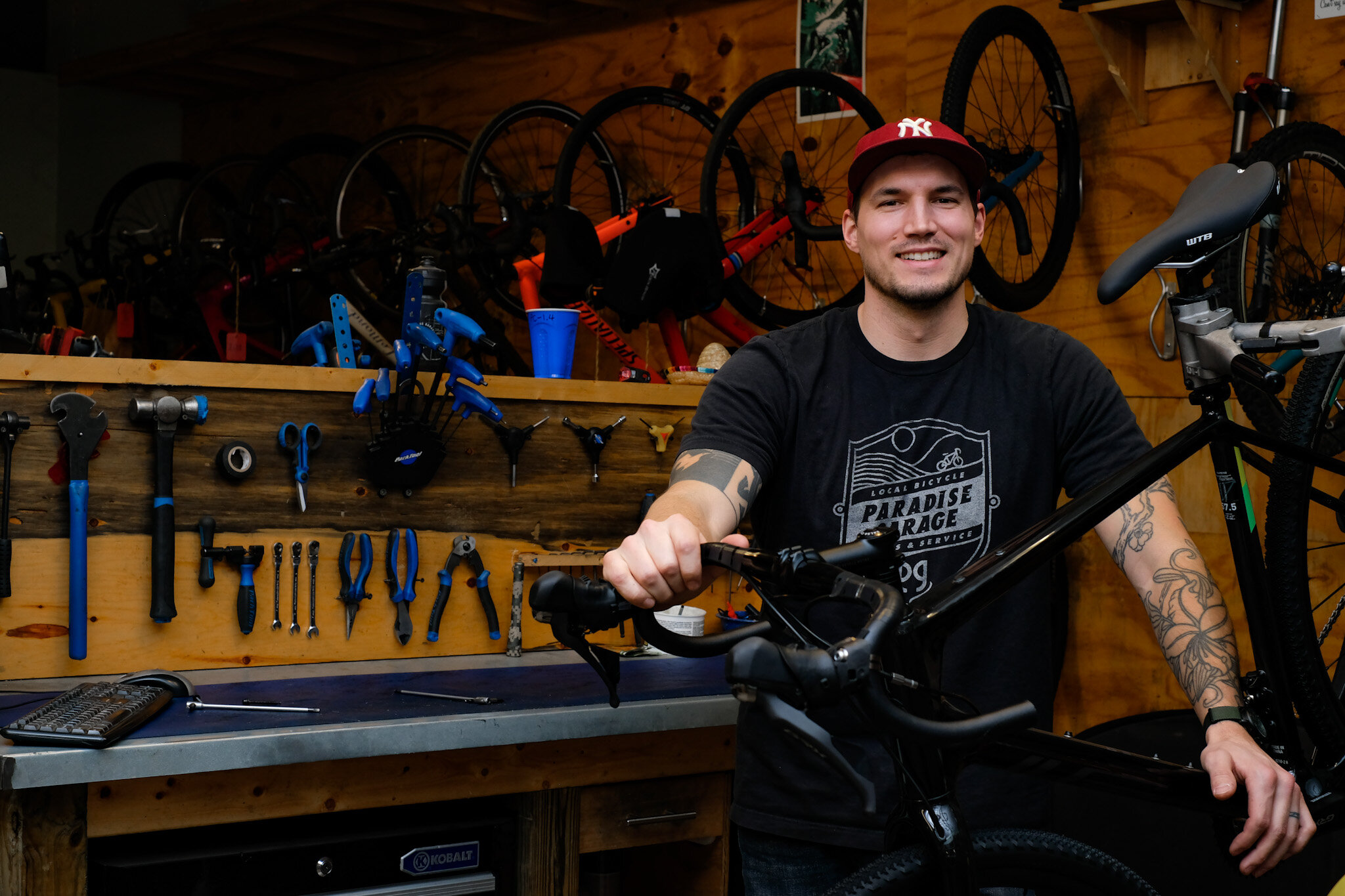
Paradise Garage, a Yay Bikes! Business Member. Photo source: Dan Monnig
There are bike shops for every type of cyclist, in every part of town. Find the one that's best for you! And if we forgot your fave, let us know!
Our sponsors & business members
Other fine shops

Making bike commuting pay (even more)
Bike commuting has so many benefits: fun, healthy, great for the environment…but wouldn’t it be nice to add a little tax benefit too? Pending legislation does just that and we are urging Senator Portman to support it.
Biking in times of crisis
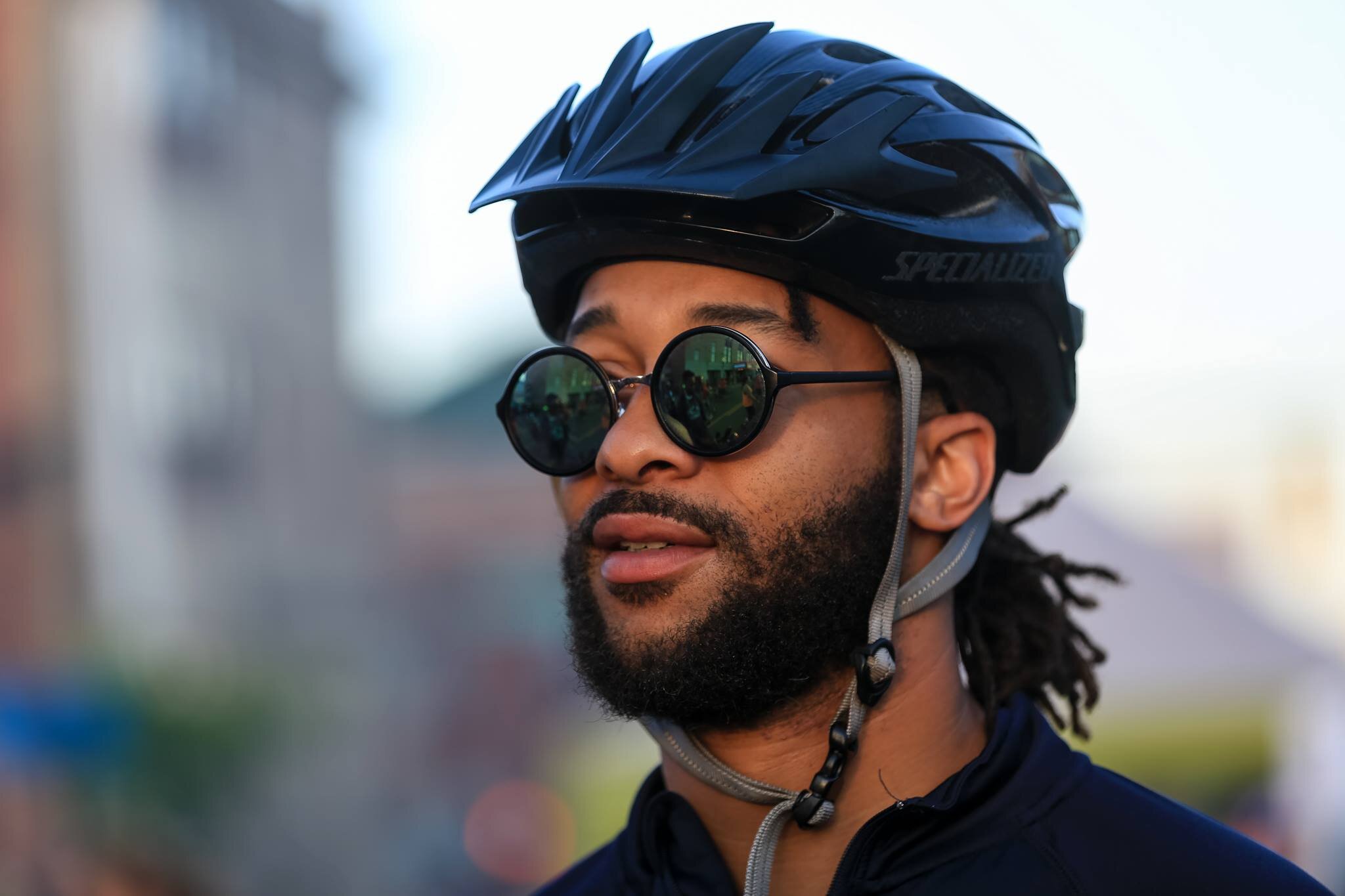
In this strange moment many things are canceled. Biking is not one of them.
Biking is not canceled. In fact, being on a bike is more important than ever to many of us.
Non-essential workers may be riding bikes more now than before the shutdown. Riding a bike can provide much needed physical activity. Just being outdoors, in a way that protects us and the people around us, is also very good for our mental health.
Essential workers may also be riding bikes more now than before the shutdown, particularly people paid low wages. For folks whose wages don’t allow them to own, operate, and maintain a car, riding a bike can be a solution to get to and from essential jobs at grocery stores and health care facilities.
The way we ride may look different for a little while. Riding with people you are not sheltering with is not advised. Reasons are brilliantly explained in an article penned by Dr. Anne Hyman who has not only spent a lot of time studying and working with airborne pathogens, but is also President of Potomac Pedalers a riding group covering DC, Maryland and Virginia. She explains that, “your respiratory signature is not just a stationary, six-foot sphere around you, but it turns into a comet-shaped trail while you’re at speed.”, cautioning, “picture yourself creating these comets. Or riding through a comet tail.”
Advocacy is not canceled.
People turning to walking and biking for mental and physical health reasons are flooding trails. This congestion makes it hard to maintain appropriate social distancing in some places.
Some folks who have historically relied on public transit are no longer finding it reliable or safe. Necessary cuts to routes and service means buses are unable to run as frequently and go as many places as they did before the shutdown. On active lines, riders are not always able to maintain appropriate social distancing necessary to protect their health and the health of the people they are serving.
Early numbers about traffic safety are alarming. Even though there are significantly fewer cars on roads, New York City traffic cameras have identified similar and on some days even more speeding violations. Minnesota has seen an alarming surge in traffic fatalities. We have not seen the numbers from Ohio yet but, conversations with state officials have them concerned about safety. None of this should be surprising. There is significant research showing road design and congestion influence the speed people drive.
Many communities around the nation and the world are finding ways to address these problems by reallocating public right of way on roads. Some communities are removing a typical lane of traffic or parking on streets to make it available for people walking and biking or closing some streets completely to motor vehicle traffic.
Our Yay Bikes! staff and volunteers are continuing to meet (on the phone and virtually) with decision makers from around the region. This moment has made clear that off road trails and separated on road bike lanes are an important component of resilient communities.
Education is not canceled.
Yay Bikes! continues to have a strong presence on Facebook sharing important content about what is happening locally and around the world. We want to make sure our followers have the most accurate information available to safely navigate the current environment. We want to make sure decision makers and grassroots advocates have the best information available to address the problems our communities are facing now and think about how to plan for a better future.
We have great content in the Bike Life Resources section of the Yay Bikes! web site. We can help people brush up on the rights and responsibilities of people riding bikes, as well as how to ride in a way that is most likely to prevent crashes. Need to buy a bike? We have good information on the locations of local bike shops and how to evaluate a used bike. Need help planning a route? We offer good advice for that too. Our article on how to recover a stolen bike also has good information on how to prevent theft, and how to prepare in case your bike is stolen so you can act quickly.
Bikes continue to be the solution.
At some point this public health crisis will resolve, but we are likely to face other public health or weather events that interrupt our typical lives. In these moments, bikes are often an important part of the solution.
My first memory of someone turning to a bike in a crisis was during the Blizzard of 1978. The city worked to dig out of a massive snow storm and was able to clear many streets but my family’s cul-de-sac neighborhood was a low priority. My parent needed to work and was able to do that by carrying a bike 3 blocks out of the neighborhood to a clearer street, then rode it to work. In late January of 2016 when Washington, DC was hit with so much snow that most forms of transportation were shut down or limited, bikes got people places that would have otherwise been inaccessible.
But for bikes to be a solution for everyone interested in giving them a try, people must feel safe and actually be safe riding. That’s the work Yay Bikes! does. Please financially support this work in whatever way makes sense for your household. Thanks.
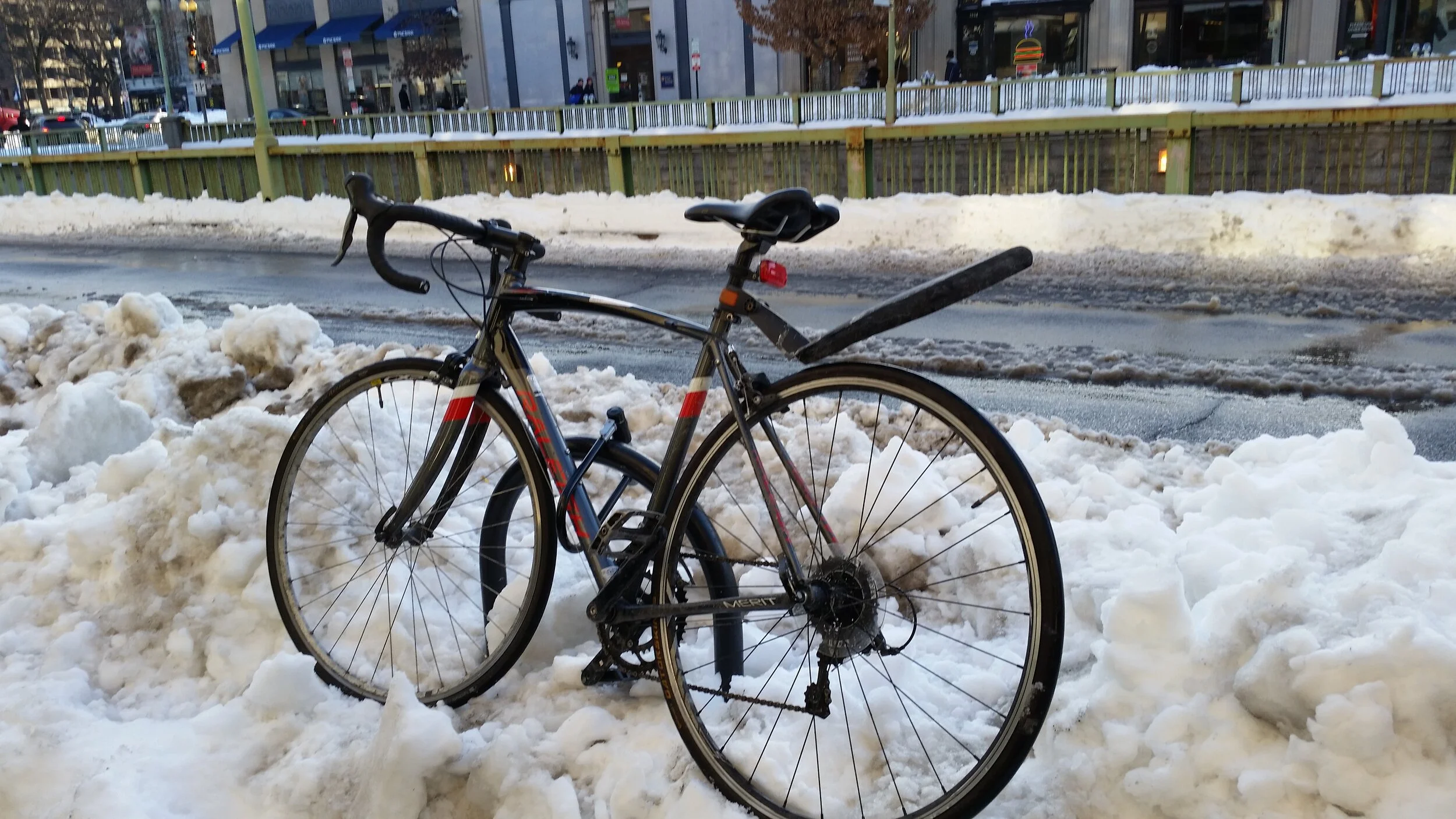
No, that is not a mini bike rack. It is a standard 3’ tall inverted “U” bike rack, buried in snow. January 25, 2016 Washington DC

Two Years of bike commuting; and still going strong!
My Year in Bike Commuting: Erin’s Story
I flirted with bike commuting for 3 summers before finally taking the plunge almost two years ago. It definitely changed my life, but it wasn’t as difficult as I’d imagined. I get asked about it a lot. How do I do it? What’s it like? Why do I do it? How do I deal with rain or snow?
All these questions got me thinking, what was the real impact on my life? It’s only two miles each way. So, I decided to track it. I signed up for Gohio’s commuting app, and decided to dutifully log all my trips over the course of a year to determine the quantifiable impact of bike commuting.
Here are the stats. My standard commute is 4.3 miles roundtrip. In one year I made 547 trips, traveling 1,051.8 miles. My bike commuting saved 800 pounds of carbon emissions. It also had a significant impact on my budget. Biking saved me an estimated $519.26 in travel expenses (gas and car maintenance) and another $1200 in parking fees. The cost of parts and maintenance on my bike? Around $150. Those numbers are reason enough to commute by bike, but it’s only one side of the equation.
A year later, I found the biggest reasons to ride have nothing to do with how much money it saves me, or how good it is for the planet. It’s all about how it makes me feel.
Overall, I’m more active and feel healthier. It’s not just biking. I’m more likely to go for a walk or take a yoga class after work or on the weekends. I spend more time outside and get more fresh air.
I also see and hear some pretty amusing and wonderful things on my commutes around town, things I wouldn’t notice from a car. A man on a skate board being pulled by his dog like he was water skiing. A group of children log rolling down a sledding hill, completely unconcerned that they were covered in mud. A theatre troop reciting Shakespeare in a park.
Above everything else, I feel more connected to my community and the world around me. I see more new businesses, coffee shops and restaurants around me to explore. Pedestrians ask me for directions. I stop to chat with the neighbors. I wave to children and see the excitement on their faces when they see someone on a bike. I overheard one little girl tell her mom I was the “Bike Lady.” Frequently, people at neighborhood events tell me they often see me riding my bike. My bike and I have become a regular fixture in the community.
After tallying 547 trips and crunching the numbers I calculated the real impact of bike commuting on my life. Bike commuting = more smiles, more laughter and a sunnier disposition. If you ask me, it’s worth every pedal stroke.
Author: Erin Synk

Mobile Eyes: What did they say?
Mobile Eyes: What did they say?
I hate articles about bike crashes. They make people think riding a bike is more dangerous than it actually is and most people are already unreasonably afraid. Add a concussion to that, and you'll understand why it has been hard for me to write about getting hit by a car on February 12th.
I'm sharing this story in several installments or it will never get written. Act I – Impact, describes the moments immediately before, and after the crash. If you haven’t read it, start here. It is less than a 4 minute read. Below is the second installment.
A few notes to remember:
You do not get to use this story to stop riding a bike, fuss at someone you love who rides a bike, or use it as an excuse for not riding a bike. No. Just no.
You do not get to use this story to hate on people. Not drivers. Not police. Not medics. Not engineers. No one.
You DO get to use this story to invest your time, talent, and treasure to create safer streets.
The Crash: Act II – City of Columbus First Responders
I call 911. The scene is loud (rush hour traffic) and I’m a bit rattled (just got hit by a car). When I’m asked where I am, I describe my location: bike lane at the intersection to a surface parking lot on Spring, just west of the red bridge. The 911 dispatcher is not familiar with the area, so I’m asking people around me to assist. I’m asked if I need a medic. I hesitate, I don’t think so, but I can tell adrenaline is coursing through my body, so I don’t know. I’m asked questions about the car. I cannot even remember the color of the car. Luckily the driver has finished parking and is at my side, relaying information. I give my name and phone number, and then am asked again if I need a medic. I hesitate. I don’t think so, but I can’t tell, because of the adrenaline. It is at this point I’m informed that police are not responding to non-injury accidents. I am instructed to exchange information with the driver. The driver returns to the parked car to gather her paperwork.
Let’s pause the story here for a moment. I was just hit by a car while riding a bike, I don’t think I’m injured but I’m not sure, but police are not coming. OK, back to the 911 call.
The 911 dispatcher encourages me to call back if I need a medic. I ask how to get a police report filed. He explains how to do that online or at police headquarters. I’m frustrated, but thank him and end the call.
I walk back to my bike with the intention of wheeling it over to the driver to exchange information. The bike will not roll. Crap. I lock it to a sign. I search the parking lot for the driver. It takes a few moments. I begin to worry she has left the scene. I find her. We start to exchange information. She offers to drive me where I need to go, she says it is alright if she is late for class. The person who helped me off the ground is her lab partner so he’ll let the instructor know what is happening.
I realize I’m having a hard time thinking clearly. I might be missing something. I decide to call a work colleague for advice. My phone log says it is 3:30pm. I get lots of advice, all of it familiar. I should not have got up so quickly. We shouldn’t have moved the car and bike. I need to get photos of the driver’s license and insurance card and not count on my hand writing or memory. But the most important thing my friend says is, “Call 911 back, you don’t know if you are injured.”
Oh. Right. I actually know all of this. I’m the Executive Director of an organization whose sole mission is advocacy and education for transportation bicycling. It is actually my job to know all of these things, and yet, I am behaving otherwise. I’ve heard stories of smart people, in similar situations struggling in the same ways I am. OK, back to the crash scene.
I call 911 back. That 1 minute and 26 second call is here. The scene is still loud. I don’t realize I have the same operator so I briefly tell the story and say:
Me: I called a few minutes ago. I was traveling in a bike lane and was hit by a car by someone pulling into a Columbus State parking lot. Um. Uh. I’ve been advised that you probably should send a squad out to look me over.
Dispatcher: Ok, so you’ve been advised that you are injured?
Me: I’ve been advised that I need to be looked over. I can’t tell what’s going on . . . with my body. I’m pretty shook up right now.
Dispatcher: Ok, why did someone else need to tell you that you need a medic?
Me: Could you please send a squad out?
Dispatcher: OK, but what’s changed since last time I told you, or asked you?
Me: The frame of my bike is bent and I hit the ground and I cannot tell what’s going on with my body right now.
Dispatcher: Ok, let me get you connected with the medics. Stay on the line.
The 911 operator questions my request for medical attention. I have to ask multiple times before he agrees to send a medic. Yep.
I take a few photos, I’m not thinking very clearly. I call the people I’m supposed to be meeting with, apologize, and cancel our 4pm meeting. My phone log says it is now 3:41pm and that call was 34 seconds.
I hear sirens and see the ambulance driving south on Cleveland Avenue. It passes Spring. I move away from the driver’s car towards the street to wave it down. It turns on Long. My phone rings at 3:43pm and I talk with someone asking for my location, the ambulance can’t find me. I’m standing at the crash location waving my arm. That call lasts 1 minute 20 seconds, ending as the ambulance arrives.
The ambulance pulls over. The medic asks if I’m sure I want to be seen. I must look ok, but seriously, I was just hit by a car! Maybe I’m I making too much of this? I respond “yes”, I’d like to be checked over. They invite me onto the squad.
I’m asked a series of questions. What happened? I describe traveling down the bike lane at 12-15 mph hour, (a big underestimate, actually 20 mph,) and seeing the motorist turn into my path. I describe attempting to stop but not having enough space and turning with the driver. They ask if I hit the ground. Yes. They ask if I hit my head. I don’t know. I look at my helmet. There are no huge scrapes. No? They attempt to get my blood pressure, but the machine does not appear to be working. They take it manually. My blood pressure is 150/110. One of them says, “You don’t look like you’d have high blood pressure.” I respond that I don’t have high blood pressure. My blood pressure is normally 110/60, but I did just get hit by a car, so . . . I’m trying not to be a smart ass, but what does someone with high blood pressure look like? I keep that thought to myself.
The left side of my head is starting to hurt. I let them know and examine the helmet again. My left shoulder and left knee are beginning to hurt more. There is other conversation. The content is not completely clear. I might look ok, I might be responding appropriately, but I’m confused.
They say I look fine, and I’m given three choices. I don’t remember what the first two are, but I think the first one is to walk it off, and the second is to follow up with my doctor. I could be wrong about those. The third choice is clear. They could transport me to Grant Hospital (.7 mile from the scene). They cannot advise me on what to do. They are very clear about that. I’m having a hard time making a decision. I ask what will happen if they take me to Grant. Their description is not helping me decide. More than once they clearly state they cannot advise me on what to do.
A police officer comes into the ambulance. He asks a question. I don’t remember what it is or if it was directed at me. The medics respond. The police officer looks at me and asks, “Are you going to the hospital?” I respond, “That is what we are trying to decide.” I ask if he needs information from me for the police report. He says he is not taking a report unless I go to the hospital.
Really? There will be no police report unless the medics transport me to the hospital? Again, my job is in transportation biking. I know crash reports are used by engineers and planners to identify problem areas and create better street design. I know crash reports are used to influence safety campaigns. Also, this driver just cut me off and my bike ended up 3/4’s of the way under her car between the front and rear wheels. My body hit the side of her car and the ground and I was thrown off my bike and away from her car. But there will be no police report unless I go to the hospital. It’s too much. I don’t have the capacity in this moment to educate you and care for myself. Take me to the hospital.
I immediately begin worrying about money. I hope insurance covers this. I couldn’t get insurance before the Affordable Care Act. I’m glad I have health insurance now.
The medics place a neck collar on me and have me lay down on the stretcher. They hand me papers to sign. I sit up to read them and am immediately told to lie back down. I’m assured there is no need to read they will explain what the papers say, I should just sign them.
The next time I see the police officer from the crash scene, I am naked on a table in Grant Hospital’s trauma unit, covered with a blanket, immobilized. He hands me a card with his name and a handwritten case number. He informs me the driver has been cited, then he turns and walks away. I am given no opportunity to give input into the crash report, which can be found here.
You can imagine my surprise when I read the report for the first time 3 days later and discovered the report describes me as traveling at 7 mph and the motorist as traveling at 10 mph. The speed limit on this corridor is 35 mph. All car traffic was passing me and I was traveling 20 mph when she failed to yield and turned in front of me.
There is more to tell about my experience in the hospital, including: the release with no injuries identified; my return to work the next day, my inability to complete complex tasks, the subsequent discovery of a concussion and other physical injuries, the loss of range of motion, the loss of my beloved bike, and flood of phone calls and mail from lawyers and people identifying themselves as medical professionals, the calls from the hospital about billing, the discovery that driver’s auto insurer does not believe she is covered, and enough other crash aftermath details that become a part time job.
Am I irritated? You bet. Did anyone in this story act with malice? Probably not. Did the impact of their actions cause barriers to good care? Yes. Do we collectively have the ability to enact change to prevent what I encountered from happening to others? Absolutely.
Stay tuned for The Crash: Act III – A Call to Action

Do I look ok to you?

Mobile Eyes: What did I see?
The Crash: A Story in Several Acts.
In the moments immediately following the crash, I didn’t feel any of the physical injuries on the right side of my body that are still with me 2 months later. I didn’t yet know I had a concussion. I was unaware that I had briefly blacked out. Adrenaline is magic.
A few notes before I go further:
You do not get to use this story to stop riding a bike, fuss at someone you love who rides a bike, or use it as an excuse for not riding a bike. No. Just no.
You do not get to use this story to hate on people. Not drivers. Not police. Not medics. Not engineers. No one.
You DO get to use this story to invest your time, talent, and treasure to create safer streets for all of us.
The Crash: Act I – Impact
On February 12th, I was traveling from the Near East side towards downtown in a bike lane on Spring Street. It was a little after 3pm on a Thursday afternoon. The street was busy with cars in all three travel lanes, and the sidewalks were busy with people around Columbus State. I was the only person in the bike lane. I imagine the intermittent rain had something to do with that. The speed limit on Spring Street is 35 mph, and though busy, the road wasn’t full enough to slow car traffic easily passing me.
A car turned in front of me and I immediately began braking as hard as I could. Strava, a GPS tracking app popular with cyclists and runners, records me traveling at 20.4 mph when the rapid deceleration starts. It quickly became clear I wasn’t going to avoid the crash by braking. I instinctively began turning with the driver. That didn’t work either. Strava shows me at 15.4 mph when impact happened.
My next memory is hazy, and for hours after the crash that memory came and went. A hand is reaching towards me to help me off the ground. The person’s face is not clear in my mind, but I do remember him asking if I was OK. I feel shaken, but fine. Adrenaline is magic.
As I’m being helped off the ground, I look back at my bike. It is 3/4’s of the way under the driver’s car between the front and rear wheels. (I know, right?!?) I have no memory of impact. I have no idea how I moved from being seated on the bike, now under the car, to being perpendicular to the car facing away from the car. My memory of this moment is so fuzzy, that several hours later when I was getting dressed before leaving the hospital I couldn’t figure out why my skirt was wet on the right side but not the left. I had forgotten even hitting the ground.
A sweet young woman asks if I’m OK. She is horrified and apologetic. She did not see me. This is the driver. She is the same age as my daughter.
The mom in me does not want to get her in trouble. The mid-western girl in me is concerned we are blocking car traffic trying to get in and out of the parking lot. The traveler in me is concerned about my bike, I need it to get to work. The employee in me hopes I won’t be late to my next meeting. The bike advocate in me immediately realizes a protected bike lane or on a multi use path would NOT have prevented this crash. These thoughts are simultaneous and happen in less then a second as I’m standing.
The person who helped me off the ground has picked up my bike. The driver is moving her car into the parking lot she was turning into when she hit me to allow traffic to return to normal flow. I turn off Strava. The trip ends at 3:16pm. I remove my gloves and check for abrasions, I check my knees. Nothing but a small hole in my merino wool stockings (damn, those are expensive). I must be ok, right?
But I work in transportation biking for a living. I know stories of people who don’t realize their injuries until later. I understand the importance of crash reports to creating safe infrastructure. I call 911 to file a crash report. That 2 minute and 37 second call is here.
Stay tuned for The Crash: Act II – City of Columbus First Responders
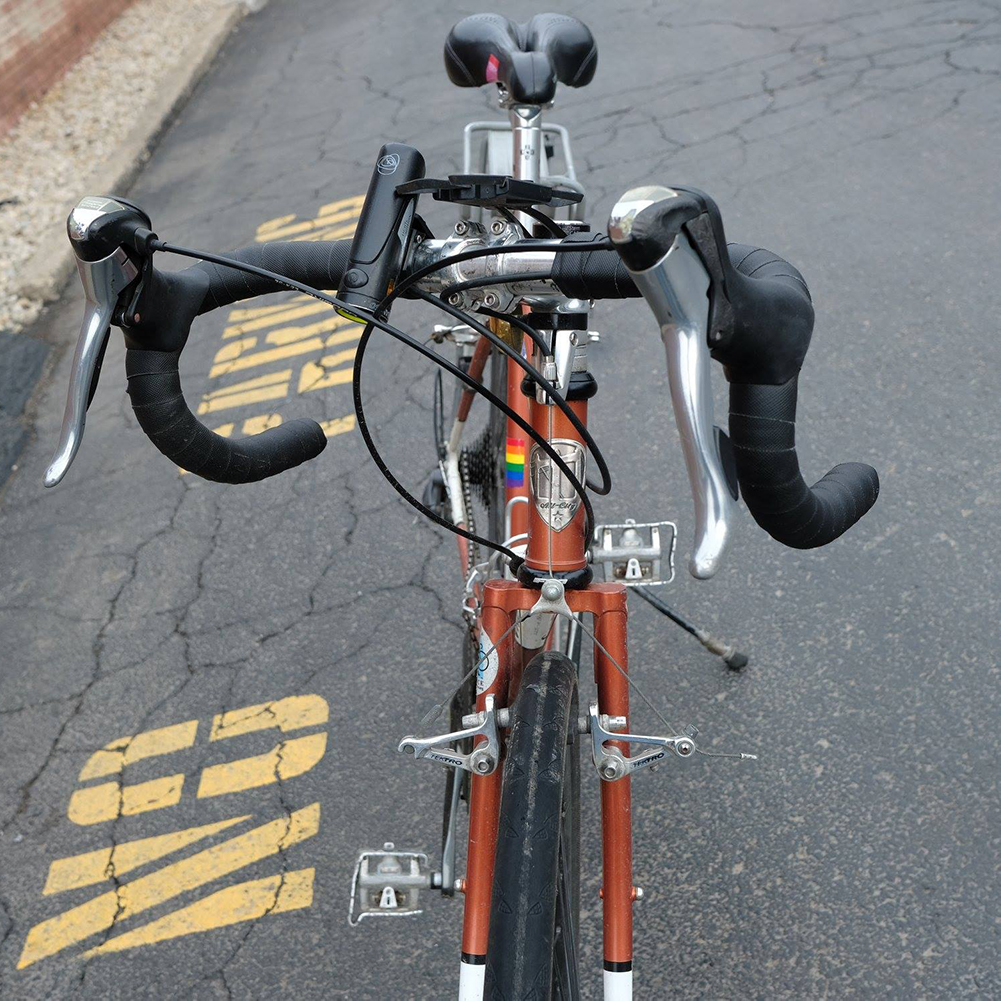
Broken. Photo credit: Dan Monnig
Ten years of Yay!

Ten years ago, Meredith Joy found herself at a particularly low moment. An organization she started became something she didn’t want to be a part of anymore. There was much drama. She was frustrated and angry and very sad.
But as she was traveling from one location to another on her bike, she felt her mood turn. That is the kind of thing that happens when a person is traveling by bike. With a breath of relief she exclaimed “Yay Bikes!”
Meredith is wicked smart. She persistently looks for solutions then sets about to see them implemented. She had been a transportation rider for years motivated by concerns for the environment. She had also done significant research on women and biking and was about to graduate from OSU with a Masters in City and Regional Planning. The air was cool on that March day, but the sun was shining. She allowed herself to hope and plan.
And that my dear friends, was the beginning of Yay Bikes!
Meredith strategically pulled together a group of other smart, passionate, hard working folks. They spanned the age spectrum: a young adult in college, a young professional a few years into her career, a few seasoned professionals, and a person close to retirement. They represented key professions: transportation engineers, a transportation planner, a social worker, an IT guru, and a working class guy committed to volunteering. All of them understood the importance of how roads are designed, and also the importance of the cultural environment in welcoming people to move from place to pace by bike. Who feels welcome and why? What do family members think of people traveling by bike? How do work places accommodate employees who come to work by bike? What role does race, gender, and socioeconomic status play?
With that frame, they set off to help people feel good about using a bike for transportation right here in the heart of Ohio. Their goals were simple. Save the environment. Improve community health. Help neighbors know each other. Create peaceful streets.
In Meredith’s words, “Yay Bikes! believes that riding a bike is an important thing people can do to feel profoundly connected to their best selves, to their fellow (wo)man, to their place and the environment, to their version of The Divine. We believe that riding a bike is an unique experience in that regard—notably different from the experience most of us have driving a car. And because it offers such rare and profound connectedness we believe that bicycling transforms lives. Yay Bikes! exists because bicycling provides access to transformation. Especially so for those who choose to ride, but even among those who don't, whose lives are safer, more peaceful and altogether more enjoyable when cyclists take to the streets. A bike friendly world is a better world, for all of us!”
Truth.
Over the next year, we are going to take some time to celebrate the 10th birthday of this fantastic vision and the steps being taken to actualize it. Join us March 31st at Studio 35 with a movie party made up of inspiring, extravagant, silly, and wonderful short films celebrating all types of bike love and adventures, and hear about the work happening in Central Ohio. Head into April celebrating #30daysofbiking, with local rides and events.
Over the next year, you will hear stories of others who have invested in this work and receive instructions on how to join them. We’ll announce opportunities to:
participate in the creation of a bike friendly community,
learn how to ride joyfully in places and weather that seems elusive or absurd,
hear from decision makers and advocate for safe streets, and
celebrate the positive movements you, me. we ALL, have made and are making.
Yay Bikes! Yay You! Yay US!
Catherine Girves
Executive Director Yay Bikes!
President of the Meredith Joy is a Rockstar Fan Club
Nik's Yay Bikes! Journey
Yay Bikes! Journeys recount how Yay Bikes! is transforming lives and communities, from the perspective of those we’ve impacted. In this installment, we hear from Nik Olah about how the Yay Bikes! community has rallied around him during his time of need.

The man, the myth, the legend: Nik Olah. Photo: Ray George
“Biking, for me, is fundamentally a social experience. I ride with people to soak up life with them. It’s the time we’ve spent just being together, talking or silently taking in the scenery, that has forged some of the friendships I’ve relied on most since my cancer diagnosis.
”
COMING UNDONE: ‘Humbling’ doesn’t even come close to capturing the outpouring of love I’ve received from this community over the past 12 months.”
Shortly after the Year of Yay! ride in July 2017, Nik Olah walked from his apartment in Downtown Columbus to the emergency room at Grant Hospital. Though he had trouble convincing the doctors there of it, he knew something wasn't right. He knew this because after the Year of Yay! ride someone had offered to drive him home from Whole Foods Market at Easton and, too tired to ride the 10 extra miles, he accepted. This was weird. He had just returned from an epic bicycle camping trip through Glacier National Park, so 10 miles? Pshaw! He finally convinced the doctors to run some tests, and one week later he got the devastating diagnosis: stage IV pancreatic cancer. Nik would be lucky to live another few months.

Nik, shortly before his cancer diagnosis.
His world fell apart at that point, as anyone's would. Suddenly the guy known to everyone in the Yay Bikes! community as "the ultimate sweep"—the one who'd stay behind to ride with anyone who was struggling—found himself in need of the support he'd offered to so many for so long. And indeed, in the months following his diagnosis, it was often his bicycle community that buoyed both his spirits and his health. “People have helped me clean and cook, sat with me as I cried, traveled and ridden with me, joined me at doctor’s visits…I couldn’t ask for better friends,” said Nik, tears in his eyes.
MAKING COLUMBUS HOME: "I came to Columbus for the opportunity to earn more money, but my heart was elsewhere for a long time. I stopped driving back to Toledo every weekend when I finally began going on Yay Bikes! rides."
In 2008, Nik moved to the Columbus area from Toledo, where he’d lived his entire life. With his new, better-paying job, he replaced the bicycle he’d had stolen 10 years before and began riding the paths and parks of Westerville. He attempted a ride with the Westerville Bike Club but…it did not go well; Nik couldn’t keep up with the group. Eventually he decided to move to downtown Columbus, where he met folks who enjoyed the more leisurely, sociable style of riding that suited him. As best as we can figure, Nik found his way to a Year of Yay! ride sometime in 2014. He still didn’t have many friends in Columbus, so he returned to Toledo most weekends. But as he began attending more Yay Bikes! events, and Ray George pulled him into other rides, he started to form a community here. Columbus finally began to feel like home. Along with board games, curling and rum connoisseur-ing, bicycling became his life—he sold his car when he determined it’d be cheaper and easier to live without it, and he has never turned back.

Nik being Nik on a holiday Year of Yay! ride!
BEING YAY BIKES!: "You can do it. There's only Nik (i.e., five) miles left to go*..."
Nik turned out to be the perfect embodiment of Yay Bikes! According to our theory of change, “We facilitate a caring community of cyclists because we believe that changing transportation behaviors is difficult when attempted in isolation.” And Nik’s ability to create meaningful relationships in a very short time is unparalleled. He hangs back with new riders, sharing his knowledge with them, distracting them with conversation, nudging them to just. keep. pedaling. And, with him, they find it within themselves to keep at it, long enough to gain the confidence of someone who’s done something previously unimaginable. They are able to move from fear into a bicycling lifestyle because Nik took the time to support them at a critical juncture on their journey.
(*Nik is known by friends to answer "five" whenever they ask how many miles are left to ride. Because anyone can ride just another five miles!)

Nik, Joel and Kathleen being cheered on during the 2018 Pan-Ohio Hope Ride. Photo: Darrell McGrath
ROLLING ONWARD: "Keep pedaling, find your tribe and locate your joy.”
Recently Nik has been sporting an electric bike, too weak to continue riding the steed he bought 10 years ago upon moving to Columbus. He was able to complete the American Cancer Society’s 2018 Pan Ohio Hope Ride, but realistically there won’t be another; he has accepted comfort care and expects to have passed by the end of the year. But, in typical Nik fashion, he wants his story to be told, and exploited for Good any way possible: "Anything I can do to turn this into a positive, I will gladly do," he says. He wants people to know the magic of riding a bike. He wants them to know how profoundly their mental and physical health can be impacted by riding a bike. Most of all, he wants people to know that riding bikes is a way to know and be known, to develop “bike friends” that become “real friends” who will be there for you when things get rough.
Yay Bikes! is forever grateful to Nik for his loving, joyful, generous presence. We will always treasure the many gifts he has bestowed on our community.
Helmets off to you, friend. You are loved.
Loving tributes to our friend:
>>To add your bike-themed tribute, send a picture and a brief paragraph to Meredith.<<




Tonni's new sign

Tonni poses with the sign she got installed, with help from Yay Bikes!, on St Clair Ave.
Tonni Oberly was introduced to Yay Bikes! last summer when her employer offered Ride Buddy rides to teach employees how to commute by bicycle. A community advocate with Milo Grogan's new Cultivate Community Development Corporation, Tonni was already commuting to work by bike, and was so excited to share the love of riding with her colleagues that she came on three rides with us during the summer of 2017!

Tonni, right, joins her Ohio Department of Health colleagues on a Ride Buddy ride.
Tonni was experiencing hostility on a segment of her daily commute—a narrow, one-lane bridge with a hill on St Claire Avenue that doesn't readily allow cars to pass when she's taking the full lane for safety (as is her right). So in June 2018 she emailed Meredith asking how to get a Bikes May Use Full Lane sign installed on that bridge. And—as quick as zip-zoom-zip—Meredith connected Tonni with the appropriate person within the City of Columbus, who did an assessment and had a sign installed...within the month.
Tonni is feeling much more relaxed now during that segment of her commute, confident that both motorists and bicyclists are being educated by the presence of her sign. Even more, she's in awe of the ease with which she was able to achieve this simple, yet meaningful, win. Without the assist from Yay Bikes!, she imagines it would have taken much longer to get a sign installed, with much more effort on her part.
Indeed, bicycle advocacy can be a long slog, with roads taking years to design and designs taking years to implement. But Tonni, empowered by her achievement, reminds us that some smaller changes are within anyone's reach. And with Yay Bikes! out there in the world, chances are even better that we who ride will get it done—together!
THIS, folks, is what your membership dollars support. Join now!
From the seat of my car

Major arterial: better than expected!
As you might imagine, in my line of work there are many rides to be led, and many routes to be created. Because I'm often planning routes for rides in places I don’t know well, I will typically draft them first in Google Maps, then drive them upon arrival to town. As I'm driving, the lines on my map become really real, and I sometimes panic: "Holy crap!", I say to myself, "We're all gonna die if I take us on this street!" Through my windshield, roads can look terrifying and I become one big NOPE. Yes, even me, even after all the riding I've done and the riding I've taught others to do. I still get scared. But I have a policy that I won't take people on streets I haven't been willing to ride on my own—during rush hour, if possible—so I strap on my helmet and set off to ride the route as planned.
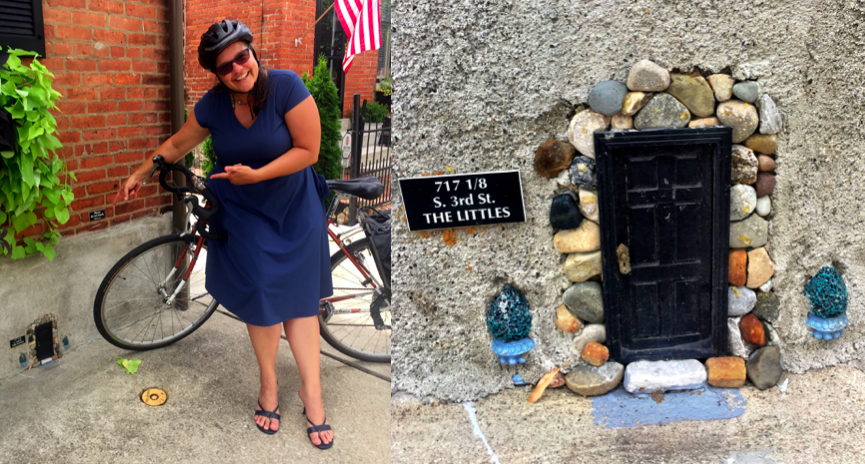
I surely would NEVER have seen this from my car.
I am happy to report that in almost in every single instance, when I actually ride the streets I'd thought would lead to certain death, it becomes “Oh! This is much different than I thought it’d be!” Motorists are respectful, passing slowly and with care, and I am able to notice all the pleasant things I never could while driving. Murals. Birdsong. Microclimates. Aromas (bakeries, laundry, flowers...). Every time I ride, I am reminded why I ride—because, quite simply, it's lovely to ride. But it's not just me, someone generally at ease riding on the road, who experiences this. On their evaluations, the vast majority of our ride participants suggest that riding is a joyful experience that is much, much different than they had imagined:
““I was pleasantly surprised at how much motorists were cooperating with us. Also, we rode streets that I would have never ridden on because they look too ‘busy’.”
“I relearned the joy of riding a bike with the wind in my face.”
“It’s a lot less scary than I thought it would be.””

A Year of Yay! ride with kiddos on Morse Rd. Photo: Ray George
I'm grateful for my route planning ritual, and the fear it sometimes invokes in me. It's a good reminder that what seems so from the seat of a car can be quite different from how it actually is from the seat of a bike. And it's a good reminder of why it can be so tricky to get people to understand the joy that awaits them on the other side of their car windshield. Especially when we haven't ridden for a while, it's tempting to view riding a bicycle in traffic as extraordinarily dangerous; we can't even fathom doing it. Then layer on the fact that people tend to overestimate how long it takes to ride a bike somewhere, and fears of physical inadequacy, and I can see why people psych themselves out. That's why we at Yay Bikes! insist that most of our education happens on-road. Sometimes all it takes is taking a chance on getting out there, with some support if possible, and discovering for yourself the unexpected experience of riding a bike—yes, even in traffic.
Our Year of Yay! rides are a great way to dip a toe in and get some practice riding roads. Please, join me—rides roll on the second Saturday of each month! You'll get plenty of support and it may just change the way you travel, forever.
Paul's Yay Bikes! Journey
Yay Bikes! Journeys recount how Yay Bikes! is transforming lives and communities, from the perspective of those we’ve impacted. In this installment, we hear from Paul Westrick, of zer0z wallets, about how his commitment to bikeable communities leads him to support Yay Bikes!.

Paul Westrick of zerOz in the wallet production area of his Gay Street retail shop, where artists are constantly churning out his unique, hand-crafted wallets.
“The only way we’re going to make this [bicycling] something people can use to get around is through advocacy. I’ll do what I can, but I can’t do it all alone. That’s where Yay Bikes! comes in.””
A GUIDING FORCE: "Everything connects to biking for me."
Paul Westrick, designer and business guru behind the patented zer0z wallet, has become well known among Downtown enthusiasts during the seven-or-so years his shop has graced the Gay Street corridor. His retail shop was/is a trailblazing effort for sure, but besides that, his friendly, exuberant personality is a powerful draw. Less well known, perhaps, is the extent to which Paul is a deeply committed cyclist who organizes his life around his ability to ride. He doesn't own a car ("I'm just NOT getting in that thing anymore", he said, regarding his decision to give it up) and commutes by bike daily from Clintonville to his shops in Downtown and Dublin, walking if it's too icy to ride.
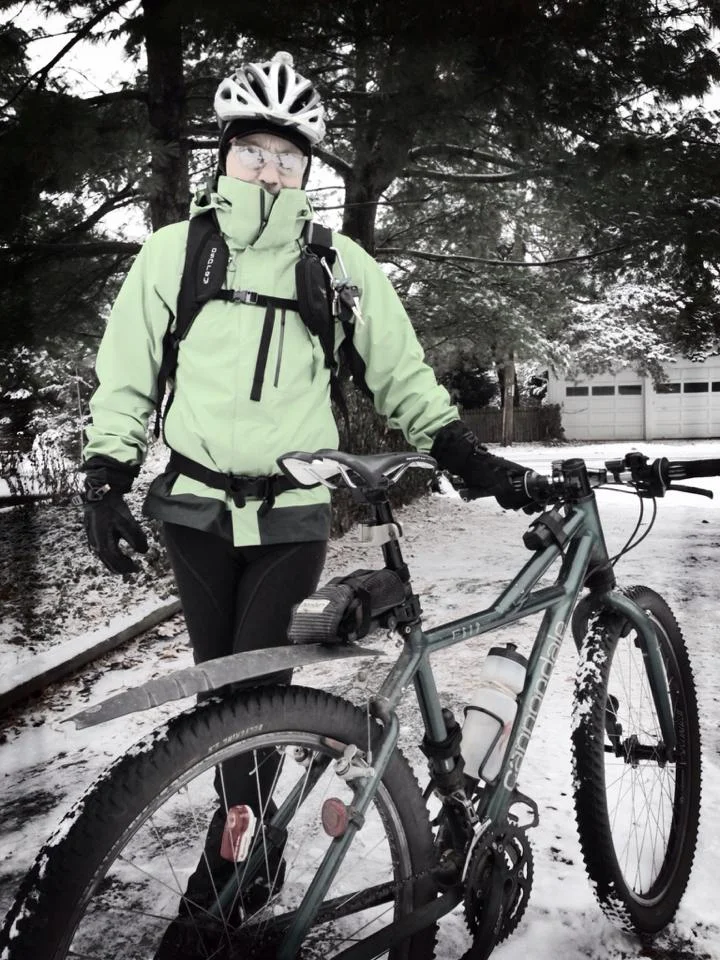
Yep, that's Paul under there!

Paul, 15-year TOSRV veteran, front and center—an accidental poster boy!
PEDALING FORWARD, NOT BACK: "With all the crazy things happening in our world right now, simple practices like riding a bicycle are the future."
Paul's life—whether wallets, coffee, meditation or bikes—centers on common themes of simplicity, quality, pleasure and equity, and he is all in for active people and powerhouse organizations who are up to promoting these values. Over the years he has quietly invested in supporting their expression via the Columbus bike community by giving to Yay Bikes! (Ride of Silence is his fave), Pelotonia, Tour de Grandview and more. When asked what he would say to fellow small business owners who are skeptical of cyclists and bicycle infrastructure, he said, "Slowing down and getting people on bikes is this weirdly forward thing that we have a chance to connect to right now. I see the difference in the faces of my customers when they arrive by bike versus car, how happy they are. It's awesome! Happy people are always good for business."

Buy a wallet with the Yay Bikes! logo—leather color and style of your choice—and Paul will donate $10 to Yay Bikes!
DOING BUSINESS BY BIKE: "What changed my mind about locating an 'outpost' shop in Dublin was visiting there and realizing it was more accessible by bike than I'd imagined."
Paul had been approached numerous times by leasing agents hoping he'd expand his retail operations within their shopping centers, but never felt like the suburbs matched his lifestyle. He just couldn't wrap his head around the idea of locating his business in such car-centric areas. But when he began researching the Bridge Park District in Dublin and realized how bikeable and walkable the development was, he changed his attitude. "It's got so many bike trails nearby that driving really is not required," he said. "And I don't—I bike there from Clintonville and it's great! Most of my design ideas come while I'm riding my bike, so I'm being very creative these days!" Paul credits Yay Bikes! with promoting the types of places he wants to be (and locate businesses! and shop! and ride!), and introducing so many people folks to the joys of city streets by bike. "I am hugely committed to this work, and I can't do it without Yay Bikes!. You are making such a difference. Thank you!"

Even his origin story involves bikes!
Yay Bikes! is grateful to Paul for his extraordinary passion for life, wallets and bicycling. We especially appreciate his extraordinary generosity to the cause of helping people safely transport themselves by bicycle. Helmets off to you, friend!
To share your Yay Bikes! Journey, contact Meredith to set up a chat!
Sarah's Yay Bikes! Journey
Yay Bikes! Journeys recount how Yay Bikes! is transforming lives and communities, from the perspective of those we’ve impacted. In this installment, we hear from Sarah Riegel about how her involvement with Yay Bikes! over the past couple of years has slowly changed how she knows both her city and herself.

The Sarah! Photo credit: Keith Lugs Mayton
“Hey! I can probably do this [ride to work] and not die doing this!”
DIPPING A TOE IN: "Go figure—I like riding my bike now that I have a good bike to ride."
Like many people, Sarah rode her bike as a kid...until receiving her driver’s license. Like many people, she biked in college on an old beater bike...but living on a third-floor walkup didn't make it fun. Then, in 2012, a visiting friend had her tag along on a tour of bike shops and she got to thinking—maybe if she got a new bike she would enjoy riding more. And it turns out, she did! She started using her new bike for errands and her love of riding slowly grew from there. Then she did Bike the Cbus. Then she used Yay Valet! at a festival. And then, finally, she attended her first Year of Yay! ride, back when it launched from the Whole Foods Market at Easton.

Sarah, second from left, braves the cold to park bikes at an OSU game. Photo credit: Deo Martinez
PUTTING THE PUZZLE PIECES TOGETHER: "Each ride with Yay! has helped get me a better sense of how to successfully piece together my own rides, and feel confident riding stretches of road I never would have thought possible."
Sarah liked that the Year of Yay! rides were slow and in no way competitive—she didn't feel the need to be a speed demon to keep up with the group. Plus all the other riders were so friendly that it was easy to feel safe and welcome, even when faced with roads she couldn't imagine riding otherwise...like Morse! In fact, as she eased into it, she noticed that riding in the Easton area (near where her office is located) was very different than what she expected. From the seat of a car, streets looked WAY too busy to ride safely, but from the seat of a bike they weren't really so bad after all. As the group rode new routes each month, the pieces of her commute started coming together, and she started imaging that it might be possible to ride into work. With a How We Roll ride in spring of 2017 and a few more Year of Yay! rides under her belt, she was ready to roll!

Leading February 2018's Year of Yay! ride, with a Winter Sports theme. Photo credit: Ray George
MAKING IT HAPPEN: "For a couple of months now I've been riding to work once a week, on casual Fridays, and I feel really energized when I get there."
Sarah, not known for her effusiveness, nevertheless has plenty to recommend when it comes to her riding and volunteer experiences with Yay Bikes!. She says she's met a lot of great people, gotten to know lots of cool bikes and become more intimately connected with Columbus as a result of her time with us. And it's been such an accomplishment to navigate her work commute by bike! If you want to ride but feel nervous about it, Sarah invites you to come out and give it a try with Yay Bikes!, where you'll be made to feel safe exploring the city by bike. There are lots of ways to plug in, and lots of adventures to be had on the way to freeing yourself from a car. She's done it, she says, and so can you.

She's got a badge, she's official.
Yay Bikes! is grateful to Sarah for her solid commitment to showing up, doing the work and growing into both personal transformation and leadership. We especially appreciate her chill, her wit and her wicked smarts. Helmets off to you, friend!
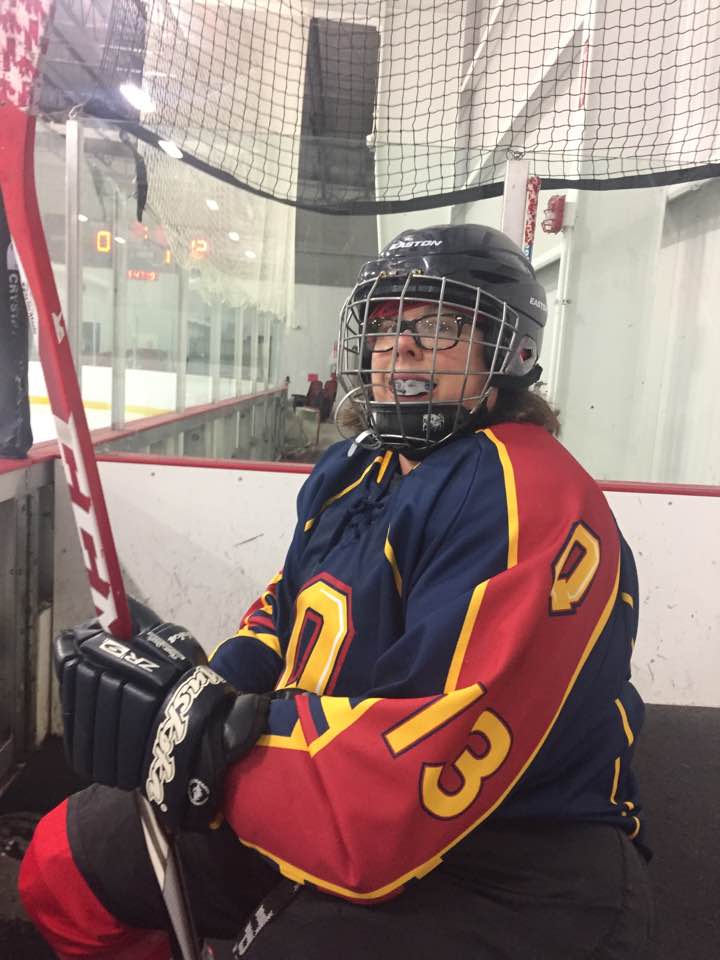
And you thought she was only a bicycling badass!
To share your Yay Bikes! Journey, contact Meredith to set up a chat!
Wardrobe changes

Heidi Coulter, Yay Bikes! Director of Community Outreach
A recent study out of England evaluated whether a cyclist's appearance made any difference in how they were treated by passing motorists. So during Bike to Work Week, I decided to replicate that experiment, USA-style, to see if wearing different clothes affected how drivers treated me. I have an easy, low-stress, 3.5-mile bike commute to work. It consists of mostly residential streets with a few stoplights across busy roads, a couple of heads-up places and a lovely protected bike lane. Every day I rode the same route, the same bike and in the same manner. The only thing that changed each day was my wardrobe—or, in one case, my costume. Here's how it went down:
Day 1: Hi Vis
I saw a yellow finch, three white dogs being walked and one brown poodle noodling around on the ground scratching his back. None were fazed by my neon fashion. I rolled up to another commuter while waiting to cross a busy street. He appeared to be going to work, reminded me of a professor. He was nicely dressed in an outdoorsy way, button down shirt tucked in with a belt, canvas hiking pants with Velcro straps holding the fabric of his pants away from the chain, backpack with 2 metal water bottles and a rack that was empty. He glanced over at me in all my day glow glory and rolled a half wheel in front of me. Then he quickly made a dicey cross in front a car that was moving way over the speed limit. Maybe I’m projecting here but it was as if he was embarrassed to be seen next to a hi-vis Rainbow Bright. Other than my interaction with the “professor” this commute was no different than most. Most fellow commuters tend to be very friendly. Drivers behaved and gave me plenty of room.

Sprite with blinking lights.

You have to admit the resemblance is uncanny!
Day 2: Casual – Cut-off jeans and t-shirt
There were only a few things worth mentioning about this day, and none had to do with how I was treated by motorists. The first thing was it was a gorgeous morning with orange poppies and purple irises waving hello with a clear blue sky. Secondly, cutoff jeans shorts are seriously uncomfortable on a bike. In the evening I got caught in a torrential rainstorm, complete with tornado sirens while riding through downtown Columbus for the Yay Bikes! event Ride the Elevator. We had to cut our ride short but it was a ride none of us will ever forget. It was like riding through a waterfall and down a river for about a mile. Jean shorts take on an enormous amount of water and tend to grow as few sizes when soaked. For the second day in a row, I was treated with respect and was given plenty of room when cars passed.
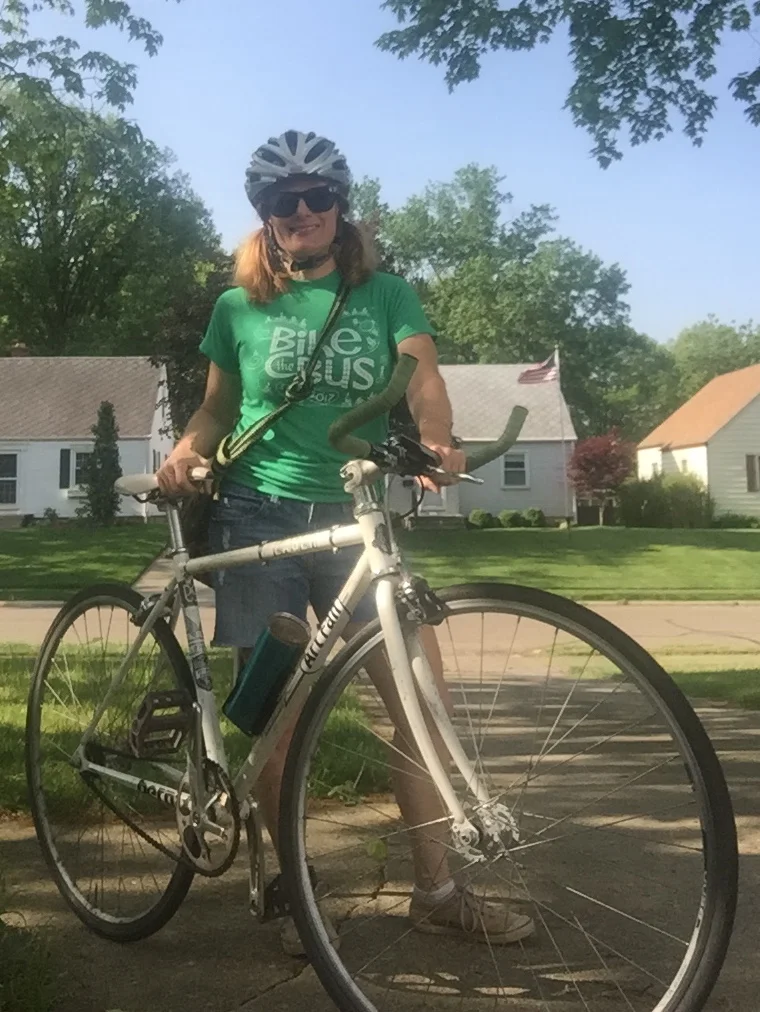
Nice excuse to dress like this at work!

Yep, that was fun!

Notice the high tech rain gear.
Day 3: Team Kit – so pro
I felt really conflicted this day. I’m no stranger to wearing a team kit. I’m on the Paradise Garage Racing Team and have been racing mountain bikes for over 16 years. What made this absurd was my glasses, shoes, helmet and kit cost 10x what I paid for my used bike. My carbon-soled shoes with cleats on the wet plastic pedals made for a tricky ride in the rain; my feet kept slipping off the pedals. My padded bibs, super soft jersey and rain resistant jacket kept me comfortable and dry. No one seemed to notice how ridiculous my outfit was in relation to my bike. My guess is most people don’t know the difference between a high-end bike and a beater. Again, everyone treated me with care when passing. Today was the first day no one waved at me. I felt slightly invisible, and since I was a bit self-conscious that was just fine by me. Was I off-putting in my so pro look or was it just the rain?

No time for smiles, I've got watts to make!

Pro power stance
Day 4: Dress Up
This is the day that people were the most friendly. Two guys said hi and I got a few nods from the bus stop. Oddly enough, the hard soles of my heels made for a comfortable ride. They had a similar feel to my hard racing shoes. The heel acted as a hook and my feet never slipped off of the pedals. Fun commuting tip for anyone that wears a dress or skirt: tuck a little bit in one of the leg bands of your shorts and no matter the amount of wind your dress or skirt won’t go flying up and over your head! Cars treated me with the same respect and care as they did all week.

Scabs on my knees gave me away.
Day 5: Crazy town — I’m a green bunny
Somehow this seemed like a great idea until the morning of my commute. The realization that I was going to ride downtown and meet a bunch of fellow cyclists on the steps of Columbus City Hall in a green bunny suit made me want to pull the blankets over my head and stay in bed. This wasn’t the first time I have ridden a bike in this costume. I actually did an entire winter mountain bike series racing a borrowed fat bike in this fabulous furry $9 bunny suit. The main difference is I knew most of the people at the race series, while I hadn't met most of the city officials or business leaders who would be at the Bike to Work Week event. Clearly, I hadn’t thought this all the way through. I quickly made my way through my neighborhood hoping that none of my neighbors would see me. I high-tailed it (so to speak!) along my regular route to work and then continued all the way downtown to the steps of City Hall. My entire ride was a bit unexpected. No waves, no honks, no nods, no greetings of any sort. I even rode by two bus stops full of middle school students and no one said a word. Other than a construction worker in the Short North stopping his jackhammer and doing a double take there was nothing remarkable about this ride. Nothing to see here, keep it weird Columbus!

Nothing like a first impression!
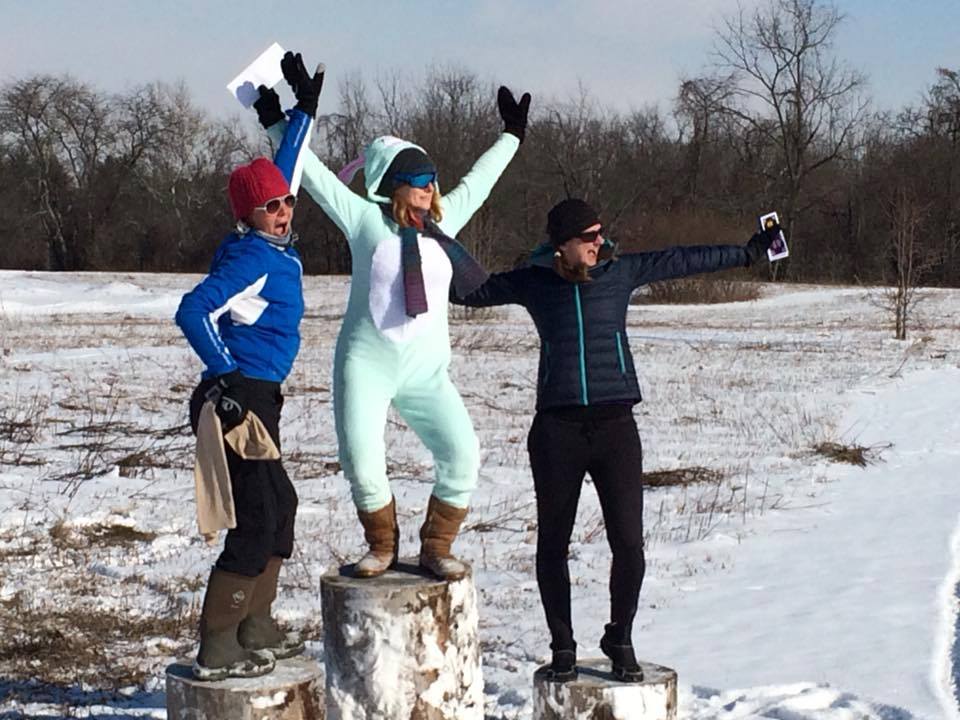
Some bunny won!

Crazy that all that mud washed out.
Obviously this wasn’t a hardcore scientific experiment, just my own observations from my easy commute. But no matter what I wore, I wasn’t treated all that much differently. The entire week was great. No one honked at me, there were no close passes or white knuckle moments. I followed all traffic laws and, as the law allows, rode as far right as practicable—which sometimes meant riding where the passenger car tire goes or taking the lane. I never hugged the curb, didn't dart in and out of parked cars or ride in the door zone. I made sure I was predictable and visible at all times. My take from the week was it didn't matter what I wore what mattered is how I rode. The bottom line is—wear whatever you want! Just ride!
I encourage you all to try this for a week. It's seriously a hoot! Don't have a critter costume? No worries, just wear something a bit outrageous on the fifth day. You just might be surprised what happens! Or, you know, maybe not. Either way, you'll have biked a bunch and be a better person for it.
Happy trails,
Your friend, Heidi
Columbus to Qatar

Camel!
Through a rather bizarre series of events (ask me about it sometime), I was recently invited to speak at Qatar University (at the pleasure of the Princess, no less) about creating communities that welcome bikes for transportation. I'd heard that "no one bikes in Doha", so of course I was curious to discover and document the dystopian hellscape that would cause this to be the case.

I know, it's awful, can you even believe it?!
Spoiler alert: people DO ride bikes in Doha, just as people ride bikes basically everywhere in the world. And I found it quite lovely to get around there on a bike. But as ubiquitous as bicycling itself, are the many reasons why people believe people aren't bicycling: "The weather is too extreme." "The infrastructure doesn't support riding." "It's too dangerous for women to ride." Sound familiar?

People riding to the places they need to travel. (They were bemused at my question about whether they ride like this even in summer).

A person navigating Education City by bike.
To be sure, it can get HOT in Qatar—108 degree average temps in July, yikes! (just like it can get COLD in Ohio—0-degree temps during much of January, yikes!). There isn't much bicycle infrastructure in Doha (just like there are many parts of Central Ohio without bicycle infrastructure). There can be personal safety concerns for cyclists in Doha, particularly among historically marginalized populations (just like...you got it, right here in Ohio!). And yet, people DO ride for transportation, facing current conditions, both here and there, and everywhere, whether for the joy of it or the necessity. In Qatar as in Columbus, there is a disconnect between perception and reality when it comes to who is riding, how much and where. As much as things are different, mostly they are the same.

Bicycles, assemble!
My Doha adventure reinforced to me how universal are perceptions of bicycling barriers, and how universally will people ride in spite of the real and perceived barriers they face. But regardless whether we're in Doha or Columbus, the risk is the same—when we fail to see the people around us who are riding, it makes it easier not to invest in improving their ride experience. So take a closer look to see what evidence of cycling is around you, even in environments that seem hostile. It will be there. And disrupt any argument along the lines of "people don't ride here because..."—it's not true, guaranteed. People are riding everywhere, no matter what, and it's important that they're seen!
"Mind the gap"

Photo: ThisWeekNews.com, Lorrie Cecil
““One of the things we know is that infrastructure plays a big part in people’s willingness to try to use a bike for transportation, particularly when we look at a large employer like OhioHealth.””
"Mind the gap, trail users tell city leaders"
ThisWeekNews.com reporter Kevin Parks explores how Clintonville residents are planning to address a several-block gap in the Olentangy Trail.
"Real" cyclists
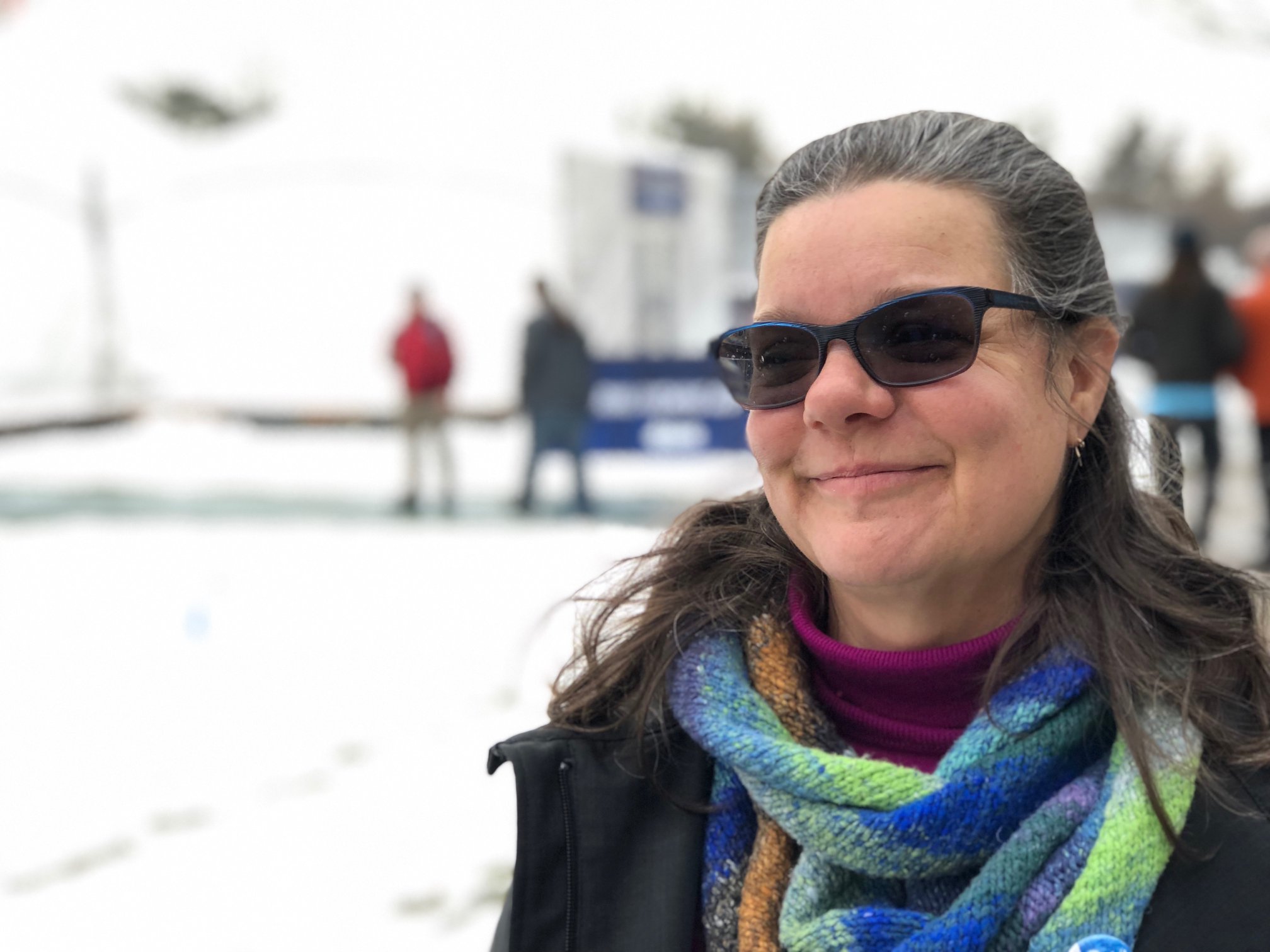
Do I look like a cyclist to you?
Every few weeks I find myself in conversation with someone (let's be real—it's typically a woman) who shares their experience of bicycling and then demurs: "but I'm not a real cyclist" or "but I'm not super hardcore (implication: like you) or anything". And I'm dumbfounded, because they've just told me how they're now riding to work at least once a week, or they've figured out riding in freezing temperatures, or they're using their bike for some trips to the grocery store, or they're riding down the busiest street in the community. But it's not enough. It doesn't count. It doesn't make them a "real cyclist".
Now I know that "cyclist" is a loaded label, tied to an identity most people aren't willing to claim for themselves. Of 1,967 respondents of two recent surveys we administered, only 5.2% said they considered themselves to be cyclists, while 41.8% said they are "someone who rides a bike from time to time, but is not really a cyclist". And to some extent that's the bad rap cyclists have for being scofflaws or elitist or rude, sure. But also, what comes immediately to mind when I say the word "cyclist"? How about what not-coincidentally comes up first on a Google image search:
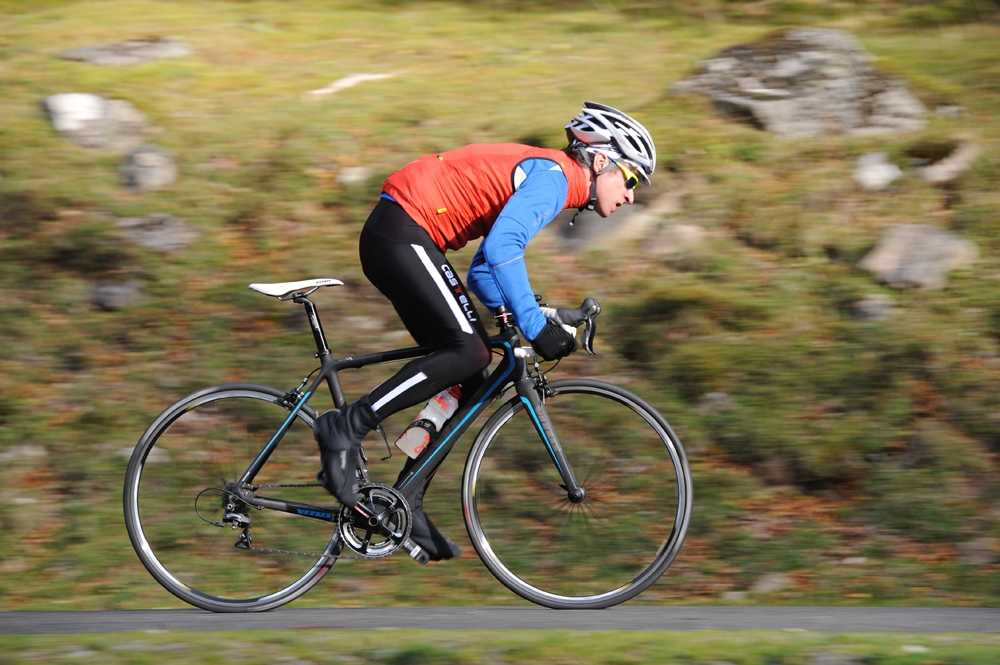
Definitely a cyclist.

Yep. Cyclists.
Beautiful, fit, white, young, male, racer, hipster. THOSE folks are the REAL cyclists. And these folks—definitely not:

Too big.

Too black.

Too old.

Too average.

Too lame.
Oh, but what if it's not so much the way you look as the fact that you're not working as hard as you think you should be? You only ride 2 miles to work. You don't ride in the rain or snow. You're slow. You drive part of the way and bike the rest. You take the easy streets, or even the path. Maybe if you were more like these guys:

The fluorescence really kicks it up a notch.
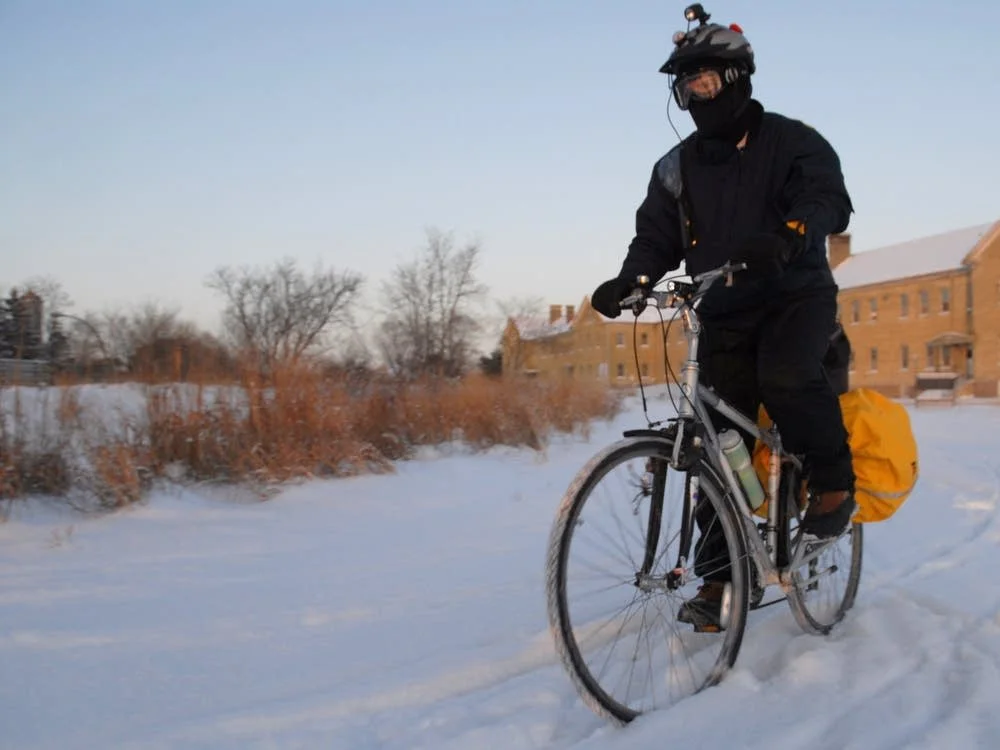
Now this is hardcore.
Stop. Listen to me. Here I am, holding your shoulders gently but firmly, looking directly into your eyes. I'm waiting for you to hear with your whole heart what I'm about to say:
Whatever you're doing—it's enough.
However you look—you belong.
Wherever you are—it's the perfect place, to begin or continue or stay.
You can be a real cyclist if you want. All it requires is riding a bike, and declaring yourself so. I'll believe you, I promise. At Yay Bikes!, we all will. Hardcore cheers to you, and to all of us who ride!
"Cycling to a healthier you"

Photo: Mark McCullough
“Feeling nervous about riding with traffic, facing harsh weather, or navigating the city by bicycle? Yay Bikes! has you covered.
The Columbus non-profit provides a pretty extensive list of educational opportunities designed to get you riding no matter what your
experience level.”
"Cycling Your Way to a Healthier You"
Columbus Underground contributor Bridgette Kidd shares how bicycling is accessible and provides innumerable health benefits.
The Year of the Woman
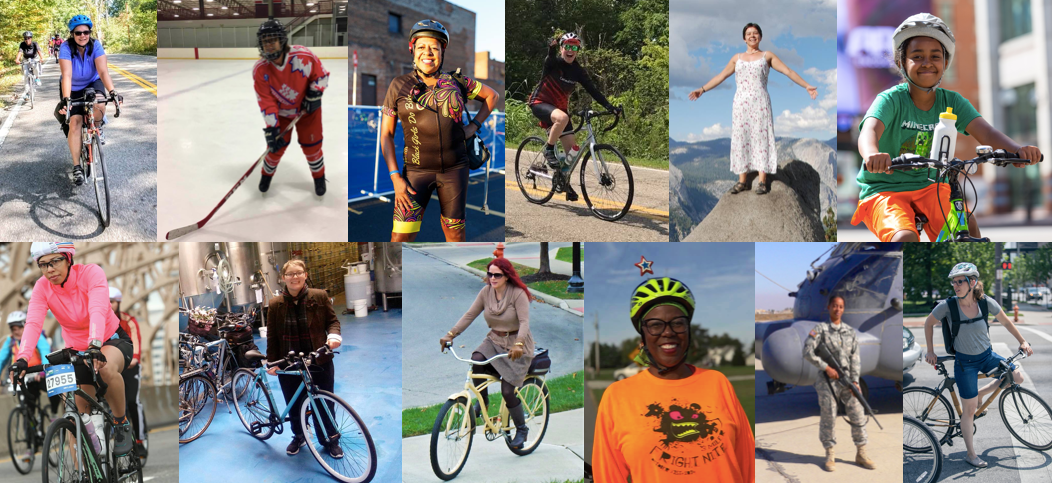
12 Year of Yay! rides, 12 women leaders.
2018 Leaders & Themes
With a nod to our current essential/unfortunate/exciting/'bout-timey national conversation, I present to you a very special Yay Bikes!–style celebration of women's leadership. Our 2018 Year of Yay! ride series will be led by 12 FAB women (and, ok ok, 3 token men). And wouldja check out these leaders and their themes:
JAN = Catherine Girves—Stretching
FEB = Sarah Riegel—Winter Sports
MAR = Bertie Ford—Wine
APR = Marie Rineveld/Nic Binger—Bike Bingo
MAY = Louise Perry/Casey Nickles—The Future is Electric
JUN = Kathleen O’Dowd/Craig Clark—Simple Living
JUL = Taryn Wilson—Flower Power
AUG = Kaitlin Clark—Radio
SEP = Bethel Yared—Art Hop
OCT = Shyra Allen—Clowns
NOV = Vonjia Shannon—Veterans
DEC = Meredith Reed—Believe It or Not
We are so grateful that these women have agreed to lend their time, talents and creativity to these rides. Representation is critical to getting more women riding bikes--because envisioning yourself doing a big new thing often begins with seeing someone like you doing it first. Columbus has more women riding than most places, but we can always stand to bolster our numbers. Next year, let's take that on in a big way. Join us to ride with these women, and bring your friends!
2018 button art
Stay tuned...!
2018 Start/End Location
And finally, without further ado—our 2018 start/end location will be....

That's right, in Clintonville--2770 North High Street, Columbus OH 43202. Rejoice! And see you there soon for a ride.
MORE NEWS